

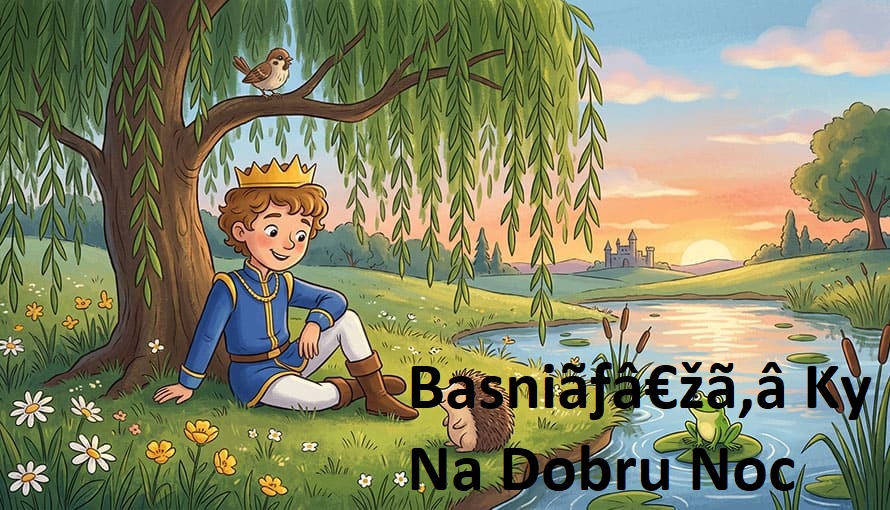
Understanding the Phrase “Basniãƒâ€žã‚â Ky Na Dobru Noc”
The phrase “basniãƒâ€žã‚â ky na dobru noc” may look confusing at first glance, especially because of its unusual spelling. It appears to be a distorted or misencoded version of a phrase from a Slavic language, most likely related to Bosnian, Croatian, or Serbian linguistic roots. When interpreted correctly, it resembles expressions associated with “good night stories” or “bedtime tales.”
In many Slavic languages, “dobru noć” directly translates to “good night.” The rest of the phrase seems to point toward “basne,” which refers to fables or short moral stories. So, when reconstructed naturally, the phrase could be understood as something close to “fables for a good night” or “bedtime stories.”
This kind of phrase is deeply connected with storytelling traditions. It evokes imagery of calm evenings, storytelling sessions, and a cultural habit of sharing meaningful narratives before sleep. Despite the encoding issue, the emotional and cultural weight behind the phrase remains strong.
The Cultural Importance of Bedtime Stories
Bedtime stories are not just a modern parenting habit—they are part of centuries-old traditions across many cultures. In Balkan regions, storytelling has always been a way to pass knowledge, values, and life lessons from one generation to another.
These “good night stories” often include fables, folklore, and moral tales. They serve multiple purposes: entertaining children, teaching right from wrong, and preserving cultural identity. Even adults sometimes enjoy revisiting such stories because of their nostalgic value.
In the context of “basniãƒâ€žã‚â ky na dobru noc,” the phrase symbolizes more than just stories. It reflects a peaceful ritual, a bonding moment between family members, and a transition from the busy day into restful sleep. This makes it culturally rich and emotionally meaningful.
Language Encoding Issues and Why This Phrase Looks Strange

One noticeable thing about the keyword is its unusual characters like “Basniãƒâ€žã‚â Ky Na Dobru Noc.” This typically happens due to character encoding errors, especially when text is transferred between systems using different formats like UTF-8 and ANSI.
Originally, the phrase might have included special characters such as “č,” “ć,” or “š,” which are common in Balkan languages. When these characters are not properly encoded, they turn into unreadable strings like the one seen in the keyword.
Understanding this helps clarify that the phrase is not incorrect in meaning—it’s just technically distorted. Once corrected, it becomes much more recognizable and meaningful. This is important for anyone working in blogging, SEO, or content writing because such issues can affect readability and search performance.
Modern Usage and Relevance in Digital Content
In today’s digital world, phrases like “basniãƒâ€žã‚â ky na dobru noc” can still hold relevance, especially in blogging, storytelling platforms, and cultural websites. Content creators often revive traditional storytelling concepts and adapt them for modern audiences.
For example, bedtime stories are now shared through blogs, YouTube videos, podcasts, and even mobile apps. Parents search online for calming stories to help children sleep, while others look for nostalgic or cultural content.
If used correctly (with proper encoding), this keyword could work well for niche content related to:
- Children’s bedtime stories
- Balkan folklore
- Cultural storytelling traditions
- Relaxation and sleep content
This shows that even a seemingly strange keyword can have strong potential when understood and presented properly.
How to Use This Keyword Effectively in SEO
From an SEO perspective, it’s important to clean up and normalize the keyword before using it heavily. Search engines may struggle to interpret misencoded text, which can affect rankings.
A good strategy would be to:
- Use the corrected version alongside the original keyword
- Include related terms like “bedtime stories,” “fables,” and “good night tales”
- Provide clear explanations (like in this article) to give context
By doing this, you can target both the original query and a wider audience searching for similar content.
Final Thoughts
“Basniãƒâ€žã‚â ky na dobru noc” might look complicated, but at its core, it represents something simple and beautiful: the tradition of sharing stories before sleep. Whether viewed from a linguistic, cultural, or digital perspective, it carries a sense of warmth and connection.
Once decoded, the phrase opens the door to a world of storytelling, cultural heritage, and meaningful content creation. For bloggers and writers, it’s a reminder that even imperfect text can lead to powerful ideas—if you take the time to understand it.
